Transform Your Kitchen: How Cabinet Refinishing Can Help
Cabinet refinishing offers a viable option for homeowners aiming to improve their kitchen spaces without the expenses tied to complete replacements. This technique not only restores the aesthetic of existing cabinets but also promotes environmentally responsible habits by cutting down on waste. With an extensive selection of finishes and colors to choose from, homeowners can achieve a personalized look. However, the process requires careful planning and consideration. What steps are necessary to secure a successful cabinet refinishing outcome?
Steps to Successfully Refinish Your Cabinets
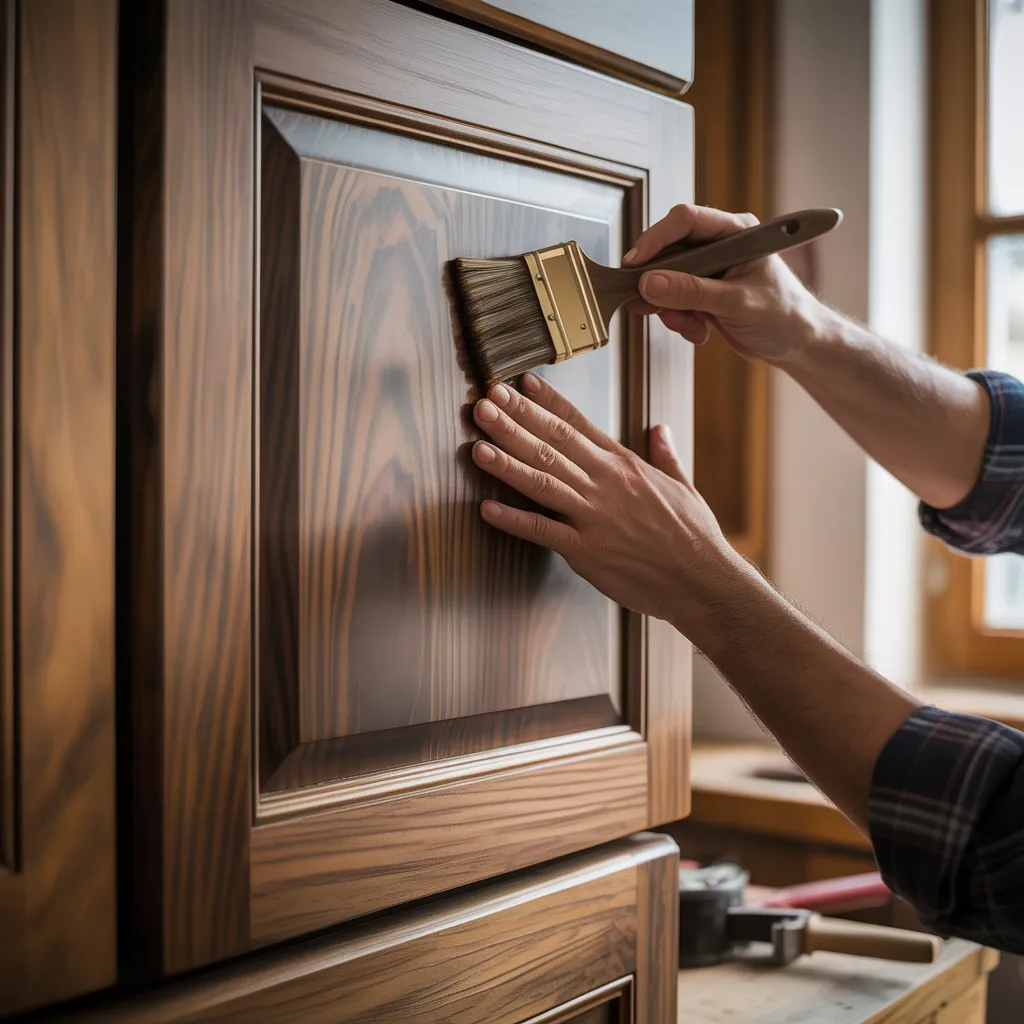
Refacing cabinets requires a sequence of deliberate procedures that can transform a kitchen's overall aesthetic. The procedure commences with an extensive cleaning process, guaranteeing that all grease and buildup are cleared away. Next, hardware must be detached, providing improved reach to all cabinet surfaces. The sanding stage comes next, which ensures the new application sticks securely by creating a smooth base.
After sanding, you should remove dust using a damp cloth. The following step involves the application of a primer, which strengthens the overall finish. When the primer is fully dry, you can begin the refinishing work, typically involving multiple coats of paint or stain. Each coat requires adequate drying time to ensure a perfect finish. Lastly, once the final coat is fully dry, reinstalling the hardware brings the project to completion. By following these steps methodically, homeowners are able to enjoy a renewed kitchen appearance without the cost of a full remodel.
Choosing Finishes and Colors for Cabinet Refinishing
Choosing the perfect finishes and colors for cabinet resurfacing can have a major effect on the overall aesthetic of a space. Prevailing color preferences tend to evolve, guiding selections of shades that coordinate with the existing interior design. Moreover, being aware of various finish types and how they coordinate with distinct design themes is necessary for achieving a cohesive look.
Leading Color Trends
What colors and finishes are now attracting homeowners who want to renovate their cabinetry? Subtle neutrals, like warm grays and off-whites, remain favored selections, providing a timeless and versatile backdrop for various kitchen styles. Additionally, deep blues and forest greens are gaining traction, offering a bold statement while maintaining elegance. These rich hues create a striking contrast against lighter countertops and fixtures. Another emerging trend includes the use of matte finishes, which impart a modern and sophisticated look, steering away from high-gloss surfaces. Homeowners are further embracing two-tone cabinetry, merging varied colors for a vibrant and individualized style, fostering imaginative design while elevating the overall visual dynamic of the kitchen space.
Finish Types Described
Given that popular color trends including soft neutrals and bold tones continue to inspire homeowners, selecting the right finish becomes increasingly important in cabinet refinishing. A variety of finish types address diverse aesthetic and functional needs. To illustrate, a matte finish delivers a sleek, understated aesthetic, while a glossy finish enhances durability and makes colors pop. Satin finishes offer a middle ground, delivering a gentle sheen that suits a range of styles. Additionally, water-based finishes are favored for their low odor and quick drying time, whereas oil-based options deliver a rich, deep color but require longer drying periods. Understanding these distinctions allows homeowners to choose finishes that not only align with current trends but also meet their specific needs and preferences, securing a truly successful cabinet refinishing outcome.
Matching Styles and Themes
As homeowners start the process of cabinet restoration, matching finishes and colors to existing styles and themes is crucial for achieving read the facts a cohesive look. Picking the ideal shades and textures can elevate the kitchen's overall appearance, regardless of choosing a contemporary, rustic, or classic design. For modern interiors, sleek, glossy finishes in neutral tones may be ideal, while warmer, matte options can complement farmhouse designs. Additionally, contrasting colors can create visual interest when matched deliberately with countertops and backsplashes. Homeowners should consider existing elements, such as flooring and appliances, to guarantee harmony. By carefully matching styles and themes, updated cabinets can convert the kitchen into a cohesive and welcoming area.
Reasons Cabinet Refinishing Is Superior to Replacement
Although the appeal of new cabinets is understandable, cabinet refinishing provides a remarkably practical and budget-friendly solution for homeowners looking to update their kitchen spaces. Cabinet refinishing lets homeowners keep their existing structures while achieving a fresh new aesthetic, saving both precious time and hard-earned money. This process involves stripping, sanding, and repainting or staining the cabinets, delivering a renewed appearance without requiring complete cabinet replacement.
Moreover, refinishing minimizes waste and is more environmentally friendly than discarding old cabinets. The core structure is kept in place, ensuring lasting strength while decreasing the environmental impact of manufacturing replacement cabinetry. Homeowners can also customize finishes to match their evolving style, achieving a personalized touch without extensive renovations. Overall, cabinet refinishing proves to be a wise investment, providing both aesthetic upgrades and eco-friendly benefits, all while circumventing the substantial costs and disturbances tied to total cabinet replacement.
What Is the Cost Efficiency of Cabinet Refinishing?
Cabinet restoration offers a economical option for homeowners looking for improvements pursuing an improvement. By greatly lowering the cost of materials and minimizing labor costs, this choice becomes an appealing substitute to full replacement. As a result, resurfacing enables a renewed aesthetic without straining financial limits.
Decreased Material Expenditures
When homeowners want to revitalize their kitchens, opting for cabinet refinishing emerges as a financially savvy choice. In contrast to complete cabinet replacement, which requires buying new materials and hardware, refinishing focuses on enhancing existing structures. This approach considerably reduces material expenses, since it mainly calls for paint, stain, and sealants instead of brand-new cabinets. Moreover, refinishing does away with the requirement for pricey new cabinetry, which can escalate project budgets. Homeowners can achieve a brand-new look without the financial burden of sourcing and installing new materials. By choosing refinishing, they not only cut expenses but also reduce waste, making it an eco-friendly option. Consequently, cabinet refinishing emerges as an excellent solution for those seeking to renovate their kitchens cost-effectively.
Decreased Workforce Costs
Updating kitchen appearances grows more affordable with decreased labor fees connected to cabinet refinishing. Unlike full cabinet replacement, which often requires extensive installation efforts, refinishing usually requires less demanding work processes. Qualified experts can skillfully strip, sand, and resurface original cabinets without requiring structural modifications. This streamlined approach not only shortens project timelines but also minimizes labor hours, resulting in considerable financial savings for property owners. Moreover, numerous refinishing projects can be wrapped up in only a matter of days, minimizing inconvenience within the home. By prioritizing aesthetic improvements over full replacements, homeowners can accomplish a renewed aesthetic while controlling overall expenses. Overall, reduced labor costs make cabinet refinishing a financially savvy choice for kitchen transformation.
How Refinishing Your Cabinets Can Elevate Your Home's Value
Refinishing cabinets not only revitalizes a kitchen's aesthetic but also greatly enhances a home's market appeal. Potential buyers often prioritize updated kitchens, viewing them as a sign of overall home maintenance and care. A fresh, modern look can make a significant difference in first impressions, encouraging prospective buyers to envision themselves in the space.
Moreover, refinished kitchen cabinets can produce a consistent design, keeping pace with modern design trends and enhancing the estimated value of the house. By going with cabinet refinishing instead of replacement, residents can realize a upscale finish at a fraction of the cost, proving it to be a financially savvy investment that delivers value at the time of resale.
Ultimately, a professionally refinished kitchen can set a home apart from others on the market, often resulting in more rapid sales and better offers. This improvement not only enhances the immediate living experience but also functions as a smart strategy for lasting financial benefit.
The Green Benefits of Cabinet Refinishing
Cabinet refinishing provides significant ecological benefits, as it minimizes the demand for new materials and reduces waste. By choosing to refinish rather than replace cabinets, homeowners can greatly decrease the demand for lumber and other materials, which contributes to preserving forests and ecosystems. This practice also limits contributions to landfills, as discarded cabinets often create substantial waste.
Additionally, refinishing usually demands less chemicals and materials compared to full replacements, leading to a smaller ecological footprint. Employing eco-friendly coatings and finishes can greatly strengthen these advantages, decreasing toxic emissions during both production and application.
In addition, the power consumption associated with creating new cabinets is eliminated, promoting a more environmentally responsible perspective on home improvement. All things considered, cabinet refinishing doesn't just breathes new life into home interiors but also contributes positively to eco-friendly conservation initiatives, making it a conscientious choice for eco-conscious homeowners.
Common Mistakes to Avoid When Refinishing Cabinets
Numerous homeowners neglect important factors when renovating their cabinets, resulting in disappointing outcomes. One typical oversight is not taking the time to thoroughly clean the surfaces before starting. Grease, dust, and debris can interfere with proper adhesion of paint or stain. Furthermore, failing to sand the surfaces properly can lead to an uneven surface. Homeowners often underestimate the importance of selecting the appropriate primer; the wrong option can undermine the overall quality and lasting results.
Another common mistake is overlooking the importance of high-quality tools, which can lead to inconsistent application. Managing your time is also essential; rushing through the process can lead to messy outcomes. Additionally, inadequate ventilation during the cabinet refinishing process can present serious health concerns and affect the finish. By avoiding these common pitfalls, homeowners can achieve a professional-looking result that boosts the aesthetic appeal and lifespan of their cabinetry.
Frequently Asked Questions
What Is the Typical Duration of Cabinet Refinishing?
Cabinet refinishing typically takes about three to five days. This period covers preparation, sanding, applying new finishes, and drying. Factors such as cabinet size and complexity can affect the overall duration of the project.
Can I Refinish My Cabinets Myself or Should I Hire a Professional?
Individuals have the option to tackle cabinet refinishing on their own, cutting expenses while necessitating skill and dedication. On the other hand, hiring a professional delivers exceptional results with greater efficiency, making it an ideal choice for those without the necessary experience or resources.
What Materials Are Best for Cabinet Refinishing Projects?
When refinishing cabinets, high-quality sandpaper, wood primer, and durable paint or stain are essential. Moreover, utilizing a quality brush or sprayer ensures a smooth finish, while sealants provide protection against wear and moisture.
Will Cabinet Refinishing Affect My Kitchen's Warranty?
Cabinet refinishing could affect a kitchen cabinet warranty, depending on the policies set by the manufacturer. Homeowners are advised to consult their warranty documents or get in touch with the manufacturer directly to understand any possible implications before starting cabinet refinishing work.
How Do I Properly Care for Refinished Cabinets for the Long Haul?
To preserve refinished cabinets for the long haul, consistent cleaning with mild soap, steering clear of harsh chemicals, and using soft cloths is crucial. Furthermore, managing humidity and temperature levels can prevent damage, ensuring lasting beauty and functionality.